Executive Budget Released and FAIR Advocacy Day
Join FAIR for Home Care Advocacy Day on Tuesday, February 3!
- To RSVP for FAIR’s Advocacy Day, please contact Alyssa Lovelace at alyssa@hgmlobby.com.
- To review FAIR’s budget requests in detail, members are encouraged to click
here.
2026 Executive Budget Highlights
Lawmakers officially convened for the 2026 Legislative Session on Tuesday, January 7. Breaking with recent tradition, Governor Kathy Hochul delivered her State of the State Address on January 13, followed by the release of the Executive Budget on January 20.
The Governor introduced a $260 billion balanced budget that includes no new income tax increases and maintains more than $14.6 billion in reserves. Her agenda this year is anchored in the theme of affordability, with a strong focus on improving quality of life for all New Yorkers—particularly older adults and those relying on long‑term care services.
Key Budget Proposals Affecting Health Care & Aging Services
Medicaid Investments
The Executive Budget proposes $38.2 billion for New York’s Medicaid program, including $1.2 billion in new federal funding generated through an assessment on Managed Care Organizations (MCOs). These funds will be distributed to health care providers and related programs.
Support for New York’s Growing Older Adult Population
New York is now the fourth-oldest state in the country, with 4.6 million residents aged 60 and older—a number expected to climb to 5.4 million by 2030. Many older adults face mobility limitations, challenges with daily living activities, and the growing burden of chronic conditions.
Recognizing these trends, the Governor’s budget advances several initiatives aimed at strengthening care access and enhancing economic stability for older New Yorkers.
Specifically, the Governor’s budget includes:
- Hospital at Home: General hospitals could provide acute medical services in a patient’s home without needing a home care agency license. Under the proposal Participating hospitals must submit annual operating cost data to the Department of Health. The DOH would establish Medicaid reimbursement rates for services provided under this model. This initiative would significantly expand the amount of acute care delivered in patients’ homes.
- Personal Care Administrative Fees: The Executive Budget proposes to cap personal care fee‑for‑service administrative reimbursement at 15% of total costs.
- Increased investments in Naturally Occurring Retirement Communities (NORCs): These community-based programs provide older adults with support and resources to help them age in place, reducing the need for institutional care.
- Renewed funding of $35 million to reduce waitlists for non-medical in-home services such as personal care, case management, home-delivered meals, congregate meals, and transportation services. This investment will help address immediate service gaps that many seniors face.
- An educational initiative aimed at increasing awareness among clinical providers and their staff about options for community-based palliative care, hospice care, and the importance of advance care planning. This will help ensure older adults have access to care that meets their needs in a timely manner.
- A short-term, multi-agency council to identify all available benefits for older adults across various state and federal programs. This initiative will assist seniors in accessing benefits related to Veteran’s services, tax reductions, nutrition assistance, prescription drug support, and medical care.
- Expansion of eligibility for the Senior Citizen Rent Increase Exemption (SCRIE) and Disability Rent Increase Exemption (DRIE) programs: The Governor proposes raising the income eligibility threshold from $50,000 to $75,000 for seniors in New York City, with similar provisions for other local jurisdictions opting into the program.
- $250 million in new capital funding to accelerate and expand the development of affordable housing for seniors. This funding will produce thousands of affordable homes, ensuring that older New Yorkers have access to safe, affordable living environments.
- CDPAP: While the Executive Budget does not include new CDPAP provisions, the Governor highlighted the savings realized from last year’s CDPAP reforms.
- Expanded efforts to protect older adults from abuse, scams, and fraud, which have become increasingly prevalent as seniors spend more time online and are targeted by bad actors.
These proposals align with the Governor’s broader vision for making New York more affordable for its residents, particularly seniors, who often face financial and logistical barriers as they age.

Our policy Agenda
FAIR Access Initiative Policy Platform
We’ve published a clear, accessible policy overview outlining the key reforms needed to stabilize the workforce, streamline patient assessments, clarify regulations, and ensure fair reimbursement for providers.
These reforms strengthen access to care, reduce waste, and promote financial stability across the system.
Our platform highlights six core policy priorities:
- Fair Wage Reimbursement
- Universal Nursing Assessment
- Repeal of the LHCSA RFO
- Integrated Home Care Ecosystem
- Live‑In Care Clarity
- Workforce Ecosystem
What Has FAIR Been Up To?
The FAIR team has been actively engaged with Senate and Assembly lawmakers and their staff on the Health and Aging Committees, introducing the new Association and discussing its proposals for the budget season and Legislative Session.
These meetings have involved representatives and staff from the offices of Senators Jake Ashby, Samra Brouk, Kristen Gonzalez, Patrick Ryan, and Robert Ortt, as well as Assembly Members Jeff Dinowitz, Demond Meeks, and Phil Steck.
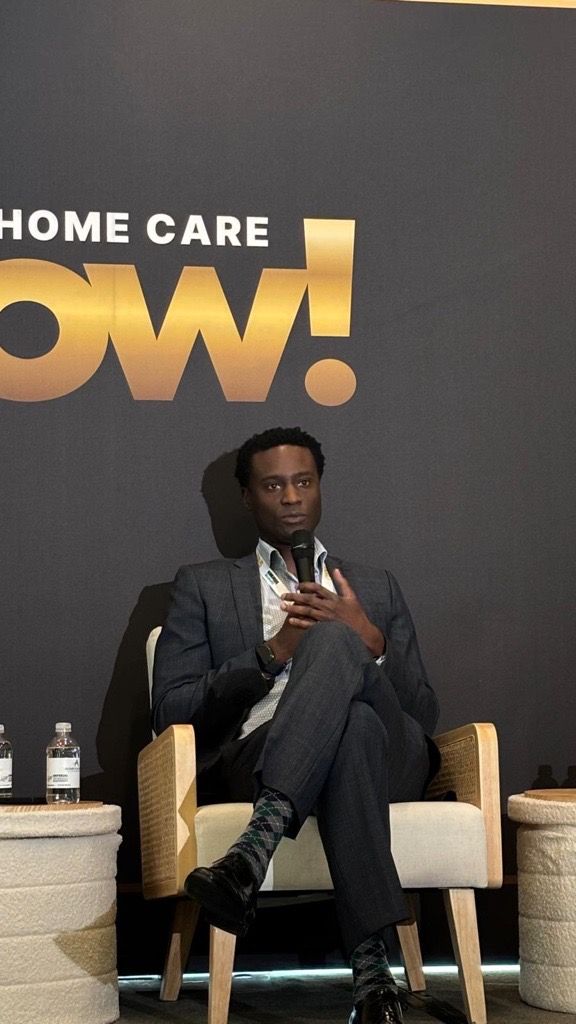
The FAIR Access Team was also present at the Home Care Show! We extend our gratitude to the offices of Senate Majority Leader Andrea Stewart-Cousins and Assembly Member Amy Paulin for sending representatives to join us for our live podcast.
Click here to view the recording.
Ready to Make an Impact?
Your participation is essential to our success. Here’s how you can get involved right away and become a founding member of the Fair Access Initiative.